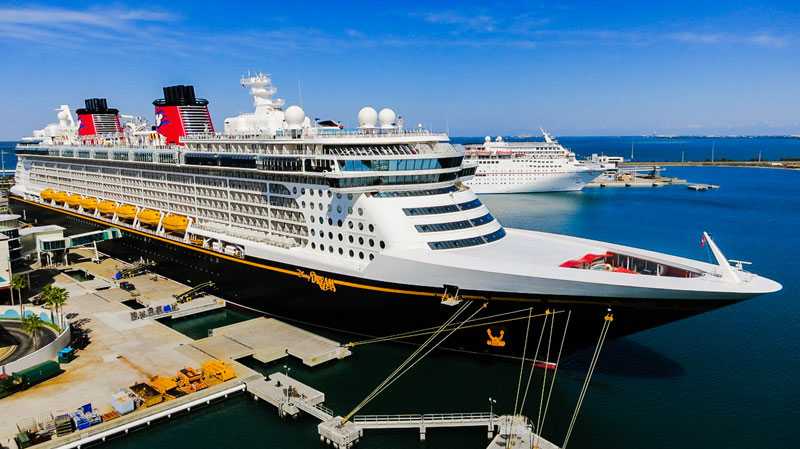

A cruise should begin with anticipation, not a crowded curbside, an uncertain rideshare pickup, or a last-minute scramble for luggage space. Knowing how to plan your cruise transfer from Orlando gives you control over the part of the trip that can set the tone for everything that follows: getting from the airport, resort, or home to Port Canaveral comfortably and on time.
For most Central Florida cruise guests, the key decision is not simply how to get to the terminal. It is choosing a transfer plan that matches the ship’s check-in window, the size of the travel party, the amount of luggage, and the level of reliability you expect before boarding.
Start With Your Cruise Terminal and Boarding Window
Port Canaveral serves multiple cruise lines and terminals, and the right arrival time is determined by the boarding appointment on your cruise documents. Do not plan around the ship’s final departure time alone. Cruise lines typically assign arrival windows, and arriving too early may leave you waiting outside or in a busy terminal area. Arriving late can place a major vacation investment at risk.
Review your cruise line’s terminal address, boarding time, and final check-in cutoff as soon as those details are available. Then build the transfer around the time you need to be at the port, not the time you intend to leave your hotel. A private chauffeur can drop guests near the appropriate terminal entrance, but the terminal itself, traffic flow, and luggage porter procedures vary by sailing day.
As a general planning principle, allow enough time to arrive within your assigned window while accounting for the route from Orlando to Port Canaveral. The drive often takes about 45 minutes to an hour from Orlando International Airport under favorable conditions. From resorts in the Disney, Lake Buena Vista, Universal, or International Drive areas, the trip can take longer. Weekend traffic, conventions, holiday travel, road construction, and weather can all change the calculation.
How to Plan a Cruise Transfer Around Your Flights
Flying into Orlando on the same day as embarkation can work, but it leaves less room for disruption. A delayed flight, gate change, baggage delay, or crowded airport can quickly narrow your margin. Travelers seeking a more relaxed start often arrive one day before the cruise, stay at an Orlando-area resort, and schedule private transportation to Port Canaveral the following morning.
If you are arriving at Orlando International Airport on embarkation day, book a transfer with flight information included in the reservation. This allows the transportation team to monitor the arrival schedule and adjust for typical airline changes. You should still choose a flight that lands well before your cruise line’s required port arrival deadline. No ground transportation provider can make up for a flight delay that pushes past final boarding.
Travelers using Orlando Executive Airport or Orlando Sanford International Airport should confirm the pickup location and realistic drive time in advance. Sanford is farther from Port Canaveral than MCO, so the departure schedule should reflect that additional distance. If you are staying overnight, provide the hotel name and exact entrance or lobby pickup point rather than relying on a general resort address.
Choose the Right Vehicle for People and Luggage
The vehicle that looks appropriate online is not always the vehicle that works after everyone packs for a cruise. Formal night attire, beach bags, strollers, car seats, garment bags, and larger suitcases can fill a trunk quickly. A premium cruise transfer should feel spacious rather than require passengers to hold bags in the cabin.
An executive sedan is well suited to one or two travelers with standard luggage, especially business-minded guests or couples traveling light. A luxury SUV is often the better fit for families, couples with multiple large suitcases, or travelers who want added room and privacy. For multigenerational families, friend groups, wedding parties, and corporate incentive travelers, an executive van provides practical capacity without splitting the group between multiple vehicles.
When reserving, share the actual passenger count and a realistic luggage estimate. Include strollers, mobility equipment, golf bags, bottled water cases, and carry-ons. This is especially valuable for return transfers, when souvenir purchases and cruise luggage may exceed what you brought to the ship.
Reserve a Private Transfer Before Cruise Week
Waiting until the day before departure can limit vehicle availability, particularly during school breaks, major holidays, and peak sailing weekends. Reserving early gives you more choice in vehicle class and pickup time, while also reducing one more item on your pre-cruise checklist.
A quality reservation should include the essentials: your pickup date and time, pickup address, cruise terminal, passenger count, luggage details, and a working mobile number. If you are flying in, provide the airline, flight number, and scheduled arrival time. If the reservation is for a return trip, include the ship name and disembarkation instructions.
Before confirming, make sure the provider can accommodate the details that matter to your group. These may include child seats, bilingual English-Spanish assistance, accessible pickup coordination, multiple stops, or an early-morning return from the port. Premium service is about more than the vehicle. It is the confidence that a licensed professional chauffeur, prepared vehicle, and clear itinerary are waiting when they should be.
Build Time for the Details That Cause Delays
The drive is only one portion of the transfer. At the airport, time is needed to deplane, walk to baggage claim, collect bags, and meet your chauffeur. At a resort, a large property may have several entrances, gate restrictions, or a lobby that is not close to the main valet area. At Port Canaveral, terminal traffic can slow as guests unload and porters collect luggage.
A well-planned schedule accounts for these small but consequential moments. Avoid scheduling the pickup based on an ideal scenario. Instead, build a reasonable buffer that protects your boarding window without forcing the family to rush through breakfast or leave the hotel at an unnecessarily early hour.
It also helps to keep travel documents, passports or birth certificates as required, boarding confirmations, medications, and valuables with you rather than in checked luggage. Your chauffeur can assist with loading bags, but you remain responsible for having the documents required to enter the terminal.
Consider Stops Carefully
Some travelers want to stop for groceries, beverages, a pharmacy, or a quick breakfast before heading to the port. This can be convenient, especially for families with young children or guests staying in a vacation rental. It can also complicate a tight transfer schedule.
If you need a stop, arrange it when booking rather than treating it as an assumption. Tell the chauffeur service the location, expected duration, and whether you will have additional bags afterward. A pre-arranged stop gives the transportation team a chance to recommend a pickup time that still supports timely terminal arrival.
For guests who arrive a day early, completing shopping and errands the evening before embarkation is often the more comfortable choice. Departure morning is best reserved for a calm breakfast, a final room check, and a direct ride to the ship.
Plan the Return Transfer Before You Sail
The return journey deserves the same attention as embarkation. Disembarkation times depend on customs clearance, ship procedures, luggage tags, and your assigned departure group. Even when the ship arrives early, individual guests may not be ready to leave the terminal immediately.
If you have a flight from MCO after the cruise, choose a departure time that allows for the drive from Port Canaveral, airport check-in, security lines, and the possibility of a slower-than-expected disembarkation. An early flight may create unnecessary pressure at the end of an otherwise restful trip. Guests with later flights may prefer a scheduled airport transfer with time for lunch, shopping, or a Central Florida stop arranged in advance.
For families, groups, and executives, a reserved private vehicle provides a quieter transition from the terminal than joining a shared shuttle queue. Everyone travels together, luggage stays accounted for, and the itinerary remains focused on your next destination. Orlando Executive Car Service can coordinate premium port transfers for MCO, Orlando resorts, private residences, and business travel itineraries, with vehicle options sized for the people and luggage in your party.
Confirm the Day Before Departure
A day-before review is simple and worthwhile. Confirm the pickup time, pickup location, terminal, mobile number, passenger total, and luggage count. Keep your chauffeur service contact details available, and make sure your phone is charged on travel day.
The most comfortable cruise transfers are rarely the most complicated. They are the ones planned with enough time, the right vehicle, and a professional team that understands Orlando routes and Port Canaveral timing. Once those details are handled, you can step into the vehicle, settle in, and let the vacation begin before you reach the terminal.