
A corporate roadshow can fall apart long before the first presentation begins. A delayed airport pickup, a vehicle too small for materials, or a chauffeur unfamiliar with a hotel’s executive entrance can put senior leaders on the defensive before they meet a single client. The strongest corporate roadshow examples have one thing in common: transportation is planned as part of the business strategy, not treated as a last-minute ride.
For companies visiting Orlando and Central Florida, that planning matters. Meetings may stretch from the convention corridor and downtown business districts to Lake Mary, Winter Park, and Port Canaveral. Traffic patterns change around major events, theme park areas, and airport arrivals. A premium private transportation plan gives every traveler a composed, punctual start and protects the schedule when conditions change.
What Makes a Corporate Roadshow Successful?
A roadshow is a series of coordinated business appearances, usually involving investor meetings, sales presentations, site visits, leadership events, or client hospitality. The travel between stops is not downtime. It is where executives take calls, review materials, reset after a difficult meeting, and prepare for the next room.
That is why the right transportation standard goes beyond simply arriving at the address. A professional chauffeur should understand the itinerary, allow time for security and venue access, manage luggage or display materials discreetly, and maintain a calm, polished experience throughout the day. The vehicle should fit the travelers, their equipment, and the level of client-facing presentation required.
The exact plan depends on the number of guests, the distance between appointments, and whether the schedule is fixed or likely to change. These corporate roadshow examples show what that looks like in practice.
7 Corporate Roadshow Examples for Orlando Business Travel
1. The airport-to-boardroom executive arrival
A CEO and two senior leaders arrive at Orlando International Airport on separate flights for an afternoon board meeting near International Drive. Rather than asking each executive to arrange a separate ride, the company schedules flight-monitored airport pickups and a luxury SUV for the first arrival, with a coordinated transfer to the hotel or meeting venue.
This arrangement is especially useful when flight schedules are close but not identical. The chauffeur can accommodate a reasonable wait window, while the executive who arrives first can settle into a private, comfortable vehicle instead of navigating the terminal curb or a rideshare pickup area. For three travelers with carry-on luggage and presentation cases, a luxury SUV provides the right balance of space and executive presence.
2. The multi-stop investor meeting day
An investor relations team has breakfast in Winter Park, a late-morning presentation downtown, and an afternoon meeting at a resort near the Orange County Convention Center. This is not a point-to-point transfer. It is dedicated hourly service with a chauffeur and vehicle reserved for the full schedule.
The advantage is control. If the first meeting runs 20 minutes over, the team does not need to request another vehicle or explain a changed pickup location. Their chauffeur remains nearby, ready for the next departure. A premium sedan may be appropriate for one or two principals, while an executive SUV gives a small team more room for documents, garment bags, and equipment.
For schedules with high stakes, build in realistic travel buffers. An itinerary that looks efficient on paper can become rushed when hotel valet queues, convention traffic, or a last-minute venue change enter the picture.
3. The sales team carrying presentation equipment
A technology company sends four sales leaders to Orlando for a product demonstration at several client offices. They are traveling with branded cases, sample equipment, signage, and personal luggage. Booking a standard sedan because it is less expensive can create an immediate logistics problem.
An executive van is the more practical choice when people and equipment must travel together. It preserves the team’s ability to review talking points en route, keeps materials secure and organized, and prevents an awkward situation where a team member must take a separate vehicle just to transport cases.
This is a useful reminder that vehicle selection should be based on total load, not passenger count alone. A group of four can require more capacity than a group of six if their roadshow includes equipment.
4. The convention client-hosting circuit
A company exhibiting at a major Orlando convention wants to host key clients at a dinner, then return them to several hotels after the event. The objective is not only transportation. It is hospitality.
A reserved luxury SUV or executive van allows the host to offer a first-class experience from the moment guests leave the venue. No one is left waiting curbside, dividing into unfamiliar vehicles, or worrying about directions after an evening event. The chauffeur can work from a confirmed hotel list and make the route as efficient as possible.
For this type of roadshow, service timing matters more than speed alone. A chauffeur should arrive early, know the designated pickup point, and remain attentive to changes from the event coordinator. That level of organization reflects well on the host company.
5. The site-visit itinerary across Central Florida
Private equity representatives or corporate leadership may need to visit multiple facilities in a single day, such as offices in Lake Mary, a distribution site near Sanford, and a client dinner back in Orlando. These appointments often have firm time windows and locations that are not convenient to airport or hotel transportation options.
A dedicated chauffeur service keeps the group together and gives the itinerary a single point of coordination. For five to 10 professionals, an executive van is often the most comfortable option, particularly when everyone needs laptop space, luggage capacity, and room to speak privately between visits.
This roadshow format benefits from a detailed manifest: each stop’s full address, onsite contact, entrance instructions, desired arrival time, and estimated meeting duration. It also helps to identify which stops require security check-in or advance vehicle authorization. Small details protect the entire day.
6. The leadership retreat with airport waves
A company brings 18 managers to an Orlando resort for a two-day leadership retreat. Arrivals are spread across the morning and afternoon, followed by an offsite dinner and a next-day airport departure schedule. The transportation need is not one large transfer. It is a managed series of arrivals, departures, and group movements.
The best approach may combine executive vans for small arrival groups with luxury SUVs or sedans for senior leadership. This creates a more polished experience than placing everyone on a generic shuttle with a fixed route. It also allows planners to match each vehicle to luggage volume, passenger count, and flight timing.
For a retreat, consistency is part of the experience. Guests should receive clear pickup instructions before arrival, and the same professional standard should carry through airport service, dinner transfers, and final departures. Bilingual English-Spanish support can be especially valuable for international teams or guests coordinating across languages.
7. The Orlando-to-Port Canaveral executive extension
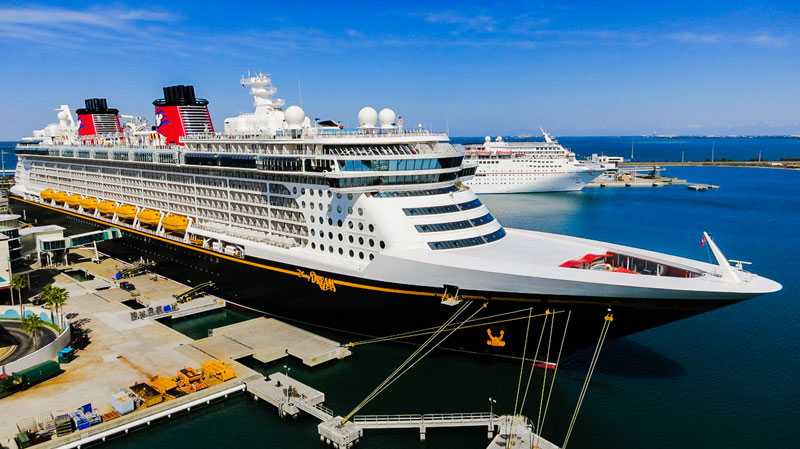
A corporate event sometimes continues beyond Orlando. A leadership group may finish meetings at a resort, then travel to Port Canaveral for a charter, incentive program, or client entertainment event. This transfer is longer than an airport run and requires precise planning around departure windows, luggage, and cruise terminal procedures.
For executives who need a quiet, private transition after a full day of meetings, an executive SUV provides premium comfort. Larger groups with bags and event materials are better served by an executive van. The key is allowing enough time for the drive and terminal access without making the group feel hurried.
A polished final transfer matters. It is the last operational impression an organizer leaves with guests before the next phase of the program begins.
How to Plan Transportation Without Overbuilding the Schedule
A premium roadshow plan should be thorough, but it does not need to be complicated. Start with the fixed items: flight numbers, meeting addresses, passenger names, luggage estimates, and the non-negotiable arrival times. Then identify the flexible pieces, such as meal locations or the length of a post-meeting debrief.
Share the itinerary with the transportation provider in advance and update it when meeting locations change. Confirm vehicle assignments based on passengers and luggage, not assumptions. A sedan is ideal for a solo executive or couple of travelers with light luggage; a luxury SUV suits small executive groups; and an executive van is the preferred solution for teams, equipment, or sizable luggage loads.
It is also wise to reserve hourly service when the agenda has several stops or unpredictable end times. Point-to-point service can be efficient for a straightforward airport-to-hotel transfer. For a roadshow, however, the lower initial cost can disappear when meetings move, extra rides are needed, or decision-makers are left waiting.
Orlando Executive Car Service supports corporate travelers with licensed professional chauffeurs, premium vehicles, and locally informed planning across Central Florida. The goal is not merely to move people between appointments. It is to make every transition feel organized, private, and worthy of the business being conducted.
When executives can step out of a vehicle composed, on time, and ready for the room ahead, transportation has done far more than complete a trip. It has protected the value of the day.